
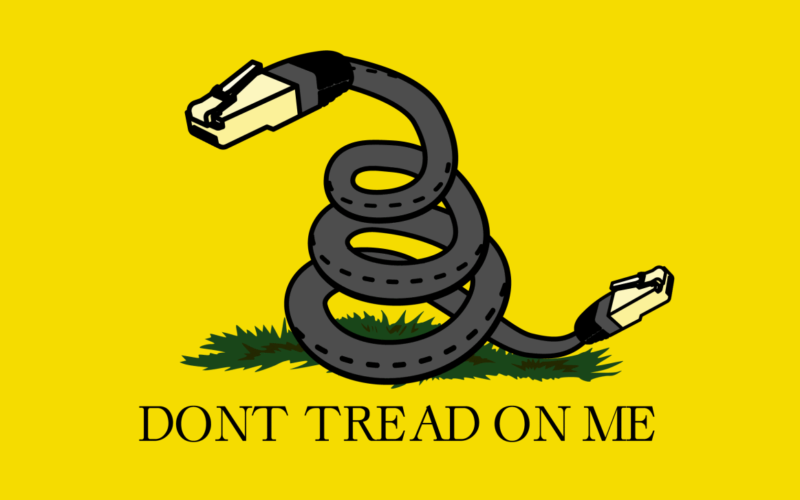
What is Net Neutrality and Why is it Important?
Imagine trying to work on an essay and the Google Doc continuously buffers and reloads hindering your progress. Or think of not being able to binge watch your favorite TV show because Netflix is constantly down or unavailable. Sounds pretty scary, right?
The Trump administration is on to its next major overhaul of an Obama era policy. On Thursday December 14th, the FCC (Federal Communications Commission) voted to repeal net neutrality. As most of our lives revolve around the use of the Internet, it is vital that we understand what net neutrality is and how our lives, especially as students, might be affected.
According to the Wall Street Journal, net neutrality allows all content on the Internet to be treated equally. This is an aspect of the Internet that we have been fortunate to have all our lives as the Internet has always worked using net neutrality. It allows you to view and share any information without any restrictions or obstructions on the Internet. In other words, it means cable providers cannot discriminate against or alter the way we receive the World Wide Web’s content.
Now that the FCC has repealed net neutrality, telephone and cable companies could and may create fast and slow lanes on the Internet. They could slow down information they don’t agree with or that they don’t want consumers to see. On the other hand, these companies could speed up information, news and websites that they do want everyone to see. Small businesses and startup companies would all have a harder time getting noticed with big companies like AT&T, Comcast and Verizon as the gatekeepers for what gets heard and seen.
How will this specifically affect you, one might ask. Just think– now we have the freedom to binge watch any TV show, the day it comes out. With net neutrality gone, cable companies can limit the accessibility of Netflix or HBO or any other TV streaming website, and, instead, push you to watch their network’s productions. Companies with a lot of online traffic will be prone to having their availability throttled and consumers might run the risk of having to pay extra for fast service. Many of these large providers are able to create the content that is viewed on the web. With net neutrality repealed, it is not unreasonable to question whether these companies will fast lane all of their own content and slow down other content. For example, Comcast owns NBC along with all of its shows, and has the potential to slow down or block streaming sites like Netflix and Hulu.
As students and teachers who rely on consistent Internet access on a daily basis, the repeal of net neutrality has the potential to be disastrous. Wifi speeds could be slower, and student’s access to academic resources could be limited. Restricted access to various scholarly sources has the potential to directly affect students’ academic standing.
The chairman of the FCC, Ajit Pai, previously the chief legal officer for Verizon Network, explains that net neutrality discourages investment in broadband networks and that it allows the government too much control over business. He argues that the rules of net neutrality, “are too burdensome and that they stifle innovation and competition.”
As net neutrality was repealed last Thursday, don’t expect any changes immediately as it takes weeks for the reversal to go into effect. On the other hand, legal action is being taken at this very moment. Democratic state attorneys and large public interest groups have all promised to file lawsuits. In fact, the Attorney General of New York State already has a lawsuit filed. Congress can possibly overturn the FCC’s decision with a joint resolution arguing that the commission’s decision breaches federal laws that ban agencies from making “arbitrary and capricious” regulations. Some say that the best solution to bring back net neutrality is for the Congress to pass a law which would overrule any of the FCC’s regulations. This situation could be possible if the Democratic party took control of either chamber of Congress next year in 2018.
If you would like to stay up to date on the status and politics of net neutrality check out this website.